

Table of Contents
Don't have the time to read the entire post? Our human writers will be sad, but we understand. Summarize the post with your preferred LLM here instead.
Authentication is often one of the first experiences users have with your product. If the login screen feels disconnected, generic, or hard to use, it can weaken trust before users even reach the application.
Today’s apps need authentication that is secure and fits well with the product’s design. Teams look for branded login screens, flexible onboarding, passwordless sign-in, local language support, embedded components, and ways to test and improve the user experience. However, many authentication tools still make teams use rigid hosted pages, limited styling, or redirects that feel disconnected from the rest of the product.
This guide looks at eight authentication platforms for teams that want custom user experiences at scale: Descope, Auth0, Microsoft Entra External ID, Amazon Cognito, Supabase, Firebase, Keycloak, and Ory.
Here’s what this guide will cover:
What to look for when choosing an authentication solution that won’t limit your UI design
A comparison of top authentication platforms for custom user experiences
A closer look at each platform’s strengths, features, and best use cases
What to consider when choosing an auth solution that won’t limit your UI design
When choosing an authentication platform for your customer-facing app, consider your goals for user experience and branding, how you plan to implement it, and your long-term identity plans. Some platforms focus on hosted login pages and fast setup. Others offer greater flexibility with embedded components, APIs, SDKs, visual workflows, or custom frontends.
A good authentication platform should let teams build secure, easy-to-use login experiences that feel like part of the product, not a separate system:
Flexible UI options: Support hosted pages, embeddable widgets, SDK-based experiences, and fully custom authentication screens. This way, teams can find the right balance between speed and control.
No redirect-only authentication experiences: Provide options that allow users to authenticate without being redirected to a generic third-party login domain, helping maintain brand consistency and reduce friction during signup and login.
Branding and theming: Allow custom logos, colors, fonts, layouts, messages, and tenant-specific branding. This helps your authentication match the rest of your product.
Authentication methods: Provide options like passwords, passkeys, magic links, one-time passwords, social login, MFA, and step-up authentication. This lets teams balance security, conversion, and ease of use.
Customization and orchestration: Let teams adjust onboarding, authentication flows, MFA rules, account recovery, progressive profiling, and user experiences without heavy backend work.
As your product grows, your authentication platform should adapt to new user journeys, customer needs, and business changes without needing big redesigns:
Prebuilt components with flexibility: Offer reusable UI parts and templates that speed up setup but still let teams customize the user experience.
Localization and internationalization: Make it simple to support many languages, regional needs, local messages, and customer-specific experiences for users around the world.
Developer experience: Provide SDKs, APIs, clear documentation, quickstarts, widgets, and workflow tools to make setup and future updates easier.
Extensibility and integrations: Connect easily with fraud detection, analytics, customer data systems, enterprise identity providers, and other apps.
Enterprise readiness: Support SAML, OIDC, SCIM, tenant-aware experiences, and custom authentication needs as your app grows and serves bigger organizations.
Operational security and long-term maintenance are still important, even when user experience comes first:
Adaptive security and risk controls: Offer adaptive MFA, bot protection, device trust, session security, contextual access rules, and links to fraud and risk tools.
Accessibility and usability: Make sure authentication works well on all devices, browsers, and assistive tech, while keeping things easy for users.
Scalability and cost predictability: Grow from small products to large customer apps without surprise price hikes, slowdowns, or tech limits.
Auditability and compliance: Keep track of authentication events, user actions, policy changes, and admin activity with central logs and audit trails.
A good authentication platform balances user experience, flexibility, security, and developer speed. It should help teams deliver branded, smooth authentication now and stay flexible for new methods, customer needs, and product changes as your app grows.
Best authentication platforms for custom UX at scale at a glance
Provider | Features | UI Flexibility | Strengths | Best for |
|---|---|---|---|---|
Descope | Visual Flows, embedded components, hosted flows, native flows, passkeys, magic links, OTP, MFA, SSO, SCIM, SDKs, APIs | Very High – Embedded widgets, hosted flows, native SDKs, APIs, and fully customizable authentication journeys through visual workflows | Workflow-led UX customization, flexible implementation models, strong passwordless and B2B support | Teams that need branded, embedded, and highly configurable auth journeys |
Auth0 | Universal Login, Actions, SDKs, SAML, OIDC, MFA, Organizations, branding tools | Medium-High – Extensive customization of Universal Login, but generally centered around hosted authentication experiences | Mature platform, broad ecosystem, strong federation support | Teams that want an established identity platform and can manage customization complexity |
Microsoft Entra External ID | External identity, user flows, custom branding, SSO, MFA, Microsoft ecosystem integration | Medium – Supports branding and custom user flows, but customization is largely framework-driven | Strong Microsoft and enterprise alignment | Teams already standardized on Microsoft identity and Azure |
Amazon Cognito | Managed login, branding editor, user pools, identity pools, MFA, passkeys, Lambda triggers, AWS integrations | Medium – Supports custom UIs through SDKs and APIs, but advanced experiences often require additional development | AWS-native scalability and infrastructure integration | AWS-first teams that need managed auth with cloud-native extensibility |
Supabase | Auth APIs, social login, email/password, magic links, OTP, Postgres integration, SDKs | High – API-first approach gives teams freedom to build their own authentication experiences | Developer-friendly, open-source backend ecosystem | Teams building custom app UI around Supabase and Postgres |
Firebase / Google Identity Platform | Firebase Auth, SDKs, social login, phone auth, email templates, MFA, Google Cloud Identity Platform | High – SDK-driven implementation allows custom login screens and mobile-native experiences | Fast setup, mobile-friendly implementation, Google ecosystem integration | Mobile and web teams building on Firebase or Google Cloud |
Keycloak | Open-source IAM, themes, localization, SAML, OIDC, LDAP, custom flows | High – Fully customizable themes and flows, though customization requires engineering effort | Full control, self-hosting, deep customization | Teams with DevOps resources that want open-source control |
Ory | Headless identity, custom UI, APIs, OAuth2/OIDC, hosted account experience, authorization services | Very High – Headless architecture enables complete control over authentication UX | API-first flexibility and composable identity infrastructure | Engineering-led teams building custom identity UX from the ground up |
While many authentication platforms support the same core protocols and security features, they differ significantly in how much control they give teams over branding, embedded experiences, and user journey customization. Below, we examine each platform in more detail.
Descope
Overview
Descope is a modern customer identity platform built for organizations that need secure authentication experiences without sacrificing product design, branding, or user experience. It supports signup, login, MFA, passkeys, social login, SSO, SCIM, passwordless authentication, authorization, user management, and identity federation through visual workflows, SDKs, APIs, hosted flows, and embeddable components.
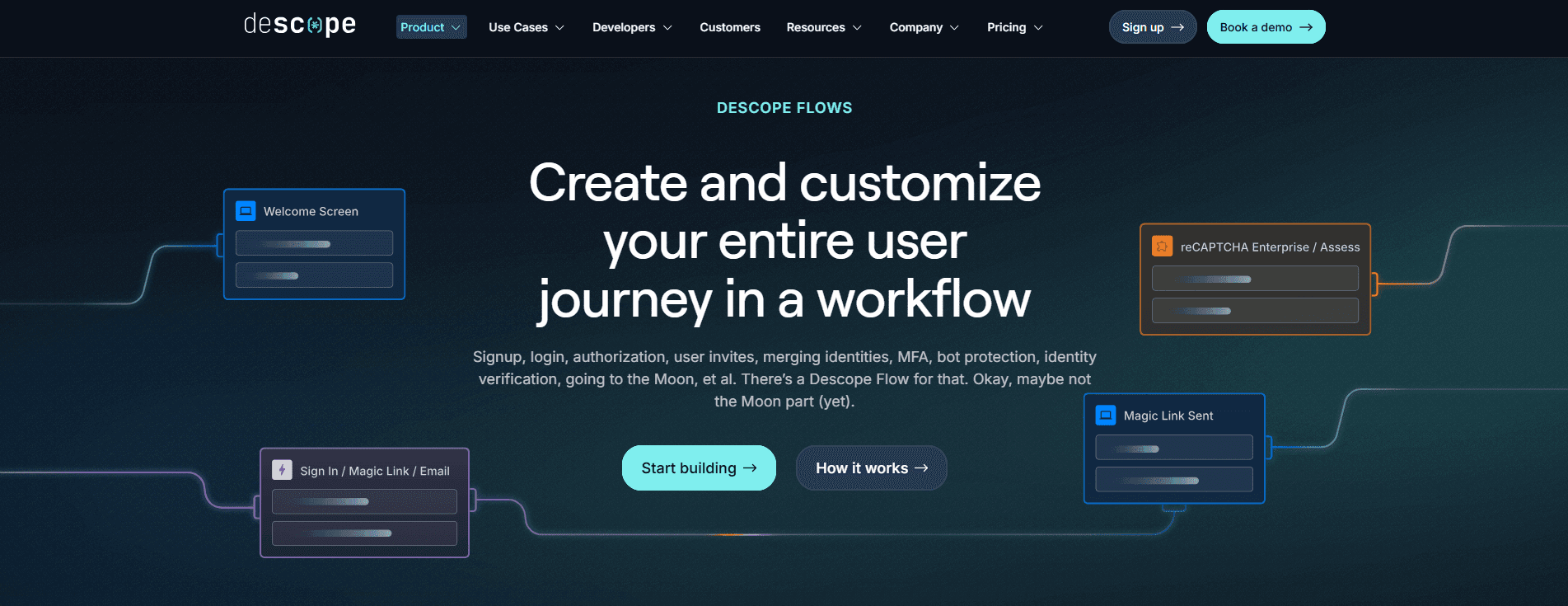
For teams focused on custom UX, Descope provides multiple implementation options that allow authentication to match the application rather than forcing the application to adapt to the authentication platform. Teams can build embedded login experiences, customize onboarding journeys, localize authentication flows, and apply tenant-specific branding, all while orchestrating authentication logic visually through Descope Flows instead of hardcoding complex identity workflows.
Descope is especially relevant for organizations that want authentication to feel like a native part of their product experience. This includes consumer applications focused on conversion and onboarding, B2B SaaS platforms with customer-specific branding requirements, marketplaces with multiple user types, and global applications that need localized authentication journeys while maintaining a consistent and scalable identity infrastructure.
Also Read: Choosing the Right Descope UI Integration Option
Key capabilities
Flexible authentication experiences and UX customization
Custom branding, theming, and white-label capabilities across login screens, onboarding journeys, email templates, and verification messages
Embeddable authentication components, hosted flows, native mobile experiences, and API-driven implementations that support a wide range of UX requirements
Adaptive MFA, step-up authentication, and contextual security policies that can be integrated into user journeys without disrupting the overall experience
Support for passkeys, OTP, magic links, and social login, and password-based authentication, allowing teams to choose the right experience for different users and use cases
Native mobile authentication experiences that keep users inside the application without relying on browser redirects
Visual orchestration and user journey management
Visual workflow editor for login, signup, MFA, onboarding, progressive profiling, A/B testing, account recovery, and authentication journeys without rebuilding application logic
Unified orchestration across authentication, authorization, MFA, onboarding, consent collection, and risk evaluation within a single platform
Flexible routing and user journey customization based on user attributes, authentication methods, tenant context, or risk signals
Enterprise and multi-tenant experience management
Native multi-tenant architecture with tenant-aware users, organizations, RBAC, and FGA designed for B2B SaaS applications without relying on custom workarounds
Self-service enterprise SSO with guided SAML, OIDC, and SCIM setup, allowing organizations to maintain consistent user experiences while supporting enterprise federation requirements
Support for delegated administration and tenant-specific customization across B2B SaaS, partner, and marketplace environments
Localized authentication experiences that support multiple languages, regions, and global customer bases
Developer flexibility and extensibility
15+ SDKs and APIs for web, mobile, and backend services, enabling teams to build authentication experiences that fit their application architecture
Extensible integrations ecosystem for fraud detection, analytics, compliance, directory sync, and identity enrichment within authentication workflows
Agentic identity support for AI agents and MCP-based ecosystems, extending identity infrastructure beyond human users and applications
Multi-region data residency support, enabling regional deployments and compliance with local data residency requirements while maintaining low-latency authentication experiences globally
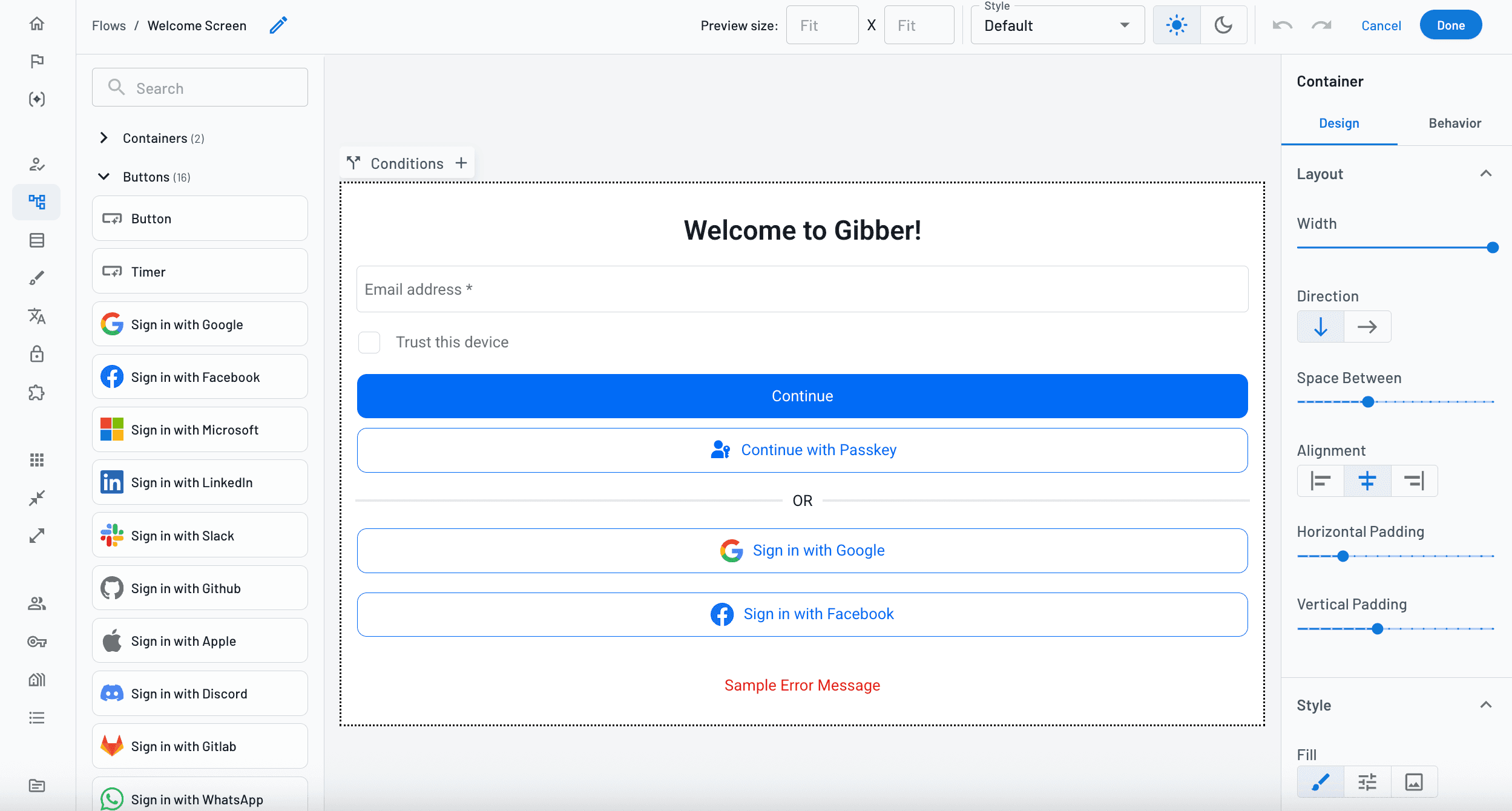
Strengths
Flexible UX implementation options: Supports embedded components, hosted flows, native mobile experiences, SDK-driven authentication, and fully customizable frontend implementations instead of forcing a single login model
Authentication that matches your product: Teams can customize login, signup, MFA, onboarding, recovery, and consent experiences without being constrained by rigid hosted login pages or predefined user journeys
Workflow-driven customization instead of hardcoded logic: Authentication experiences are managed through visual workflows rather than fragmented frontend code and backend orchestration, making it easier to evolve UX over time
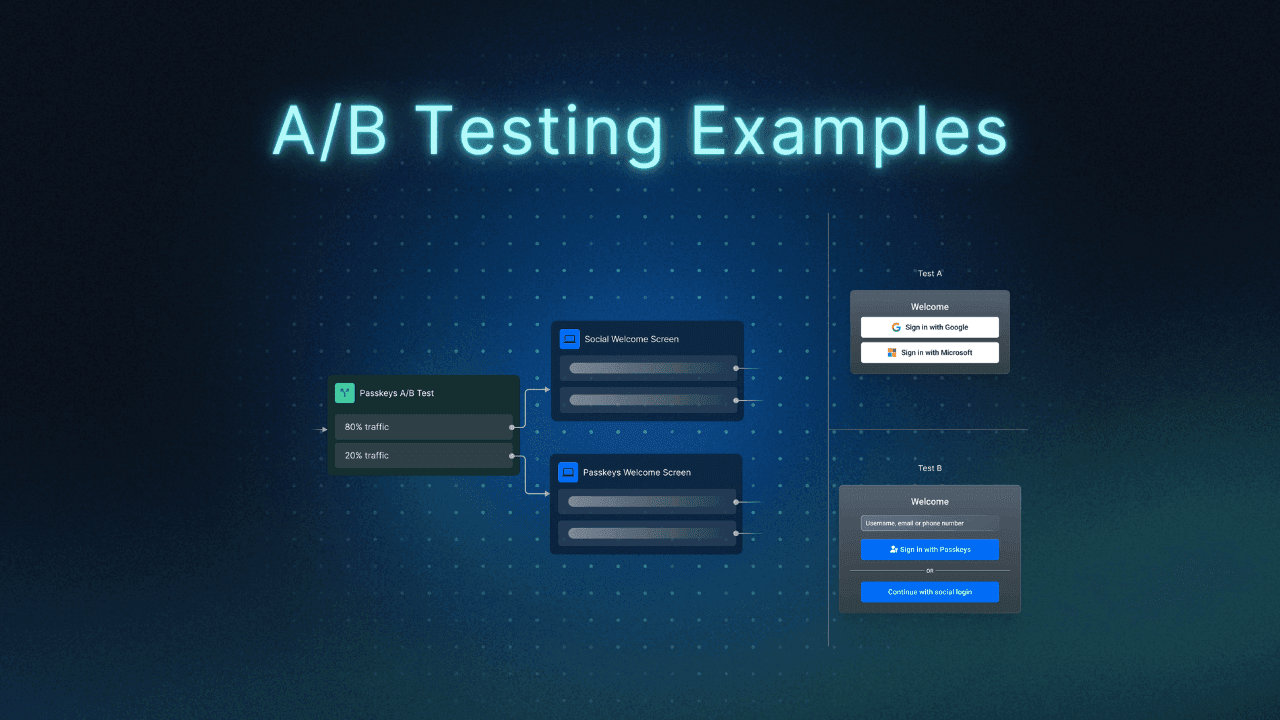
Faster iteration and experimentation: Teams can create A/B tests, test different onboarding paths, authentication methods, and user journeys, and optimize experiences using real user data
Consistent branding across identity touchpoints: Supports custom branding, white-label experiences, tenant-specific theming, and customizable email and SMS communications that align with the broader product experience
Embedded and no-redirect authentication experiences: Allows teams to keep users inside the application experience rather than redirecting them to generic third-party login domains
Strong support for passwordless user experiences: Passkeys, magic links, social login, OTP, and adaptive MFA help reduce friction while maintaining strong security
Unified identity platform: Authentication, authorization, MFA, onboarding, enterprise federation, user management, and identity orchestration are managed within one platform instead of stitching together multiple tools
Enterprise-ready without sacrificing UX: Built-in SAML, OIDC, SCIM, delegated administration, and tenant-aware branding support enterprise requirements while maintaining a seamless customer experience
Reduced long-term engineering complexity: Authentication journeys, branding requirements, localization needs, and security policies can evolve without major frontend redesigns or architectural rewrites
Broad SDK and API coverage: Integrates cleanly across web, mobile, backend, API-first, microservices, and hybrid application architectures while preserving design flexibility
Future-ready identity platform: Supports B2C, B2B, partner, machine-to-machine, and agentic identity use cases while enabling teams to deliver consistent user experiences across all identity journeys
Ideal for
Descope is a strong fit for organizations building consumer, SaaS, marketplace, mobile, or hybrid applications that want authentication to feel like a seamless part of the product experience. It is especially useful for teams looking for a more flexible, workflow-driven approach to identity rather than being constrained by rigid hosted login pages, limited branding controls, or hardcoded authentication journeys as product and UX requirements evolve.
The platform works well for consumer apps, e-commerce sites, marketplaces, digital services, SaaS products, and enterprise applications that need embedded authentication experiences, passkeys, passwordless login, adaptive MFA, social login, enterprise SSO, localization, and customizable signup and onboarding journeys that align with their brand and design system.
Descope is also a strong choice for organizations that want unified authentication and authorization across consumers, enterprise customers, administrators, APIs, machine identities, and AI agents while maintaining consistent user experiences across web, mobile, and backend-driven architectures within a single developer-friendly identity platform.
Auth0
Overview
Auth0, part of Okta, is one of the most established authentication platforms for developers and enterprise applications. It supports OAuth, OIDC, SAML, enterprise SSO, MFA, passwordless authentication, Universal Login, Organizations, APIs, SDKs, and extensibility through Actions. The platform supports both B2C and B2B use cases, making it a common choice for applications that need customer authentication, enterprise federation, and identity customization.
If your organization wants a custom user experience, Auth0 gives you both hosted and developer-controlled authentication options. Universal Login lets you brand and customize hosted login flows, while SDKs, APIs, and Actions help your team adjust identity features as your needs change. Still, if you need deeply integrated authentication or full control over how authentication works, you may need to do more customization and development as your project grows.
Key capabilities
Universal Login with branding and customization controls
OAuth, OIDC, SAML, and enterprise SSO support
Passwordless authentication, MFA, and adaptive security
Actions framework for custom authentication workflows
Strengths
Mature and proven platform: Auth0 has broad enterprise adoption and a long track record supporting customer identity across a wide range of applications and industries.
Flexible hosted authentication experiences: Universal Login provides branding and customization capabilities that allow organizations to align authentication experiences with their applications.
Large ecosystem and strong protocol coverage: Extensive integrations, SDKs, documentation, marketplace extensions, and support for OAuth, OIDC, SAML, and SCIM help teams support a wide range of authentication requirements.
Ideal for
Auth0 is ideal for teams that want a mature, enterprise-grade identity platform with strong ecosystem support and customizable hosted authentication experiences. It works well for organizations with dedicated engineering resources that can manage configuration, extensibility, and UX customization as authentication requirements grow and become more sophisticated.
Microsoft Entra External ID
Overview
Microsoft Entra External ID is Microsoft's customer and external identity platform for applications that need to authenticate consumers, business customers, partners, and external users. It supports social login, enterprise federation, MFA, user flows, APIs, SDKs, and integration with the broader Microsoft identity ecosystem. The platform is commonly used by organizations already invested in Azure and Microsoft security services.
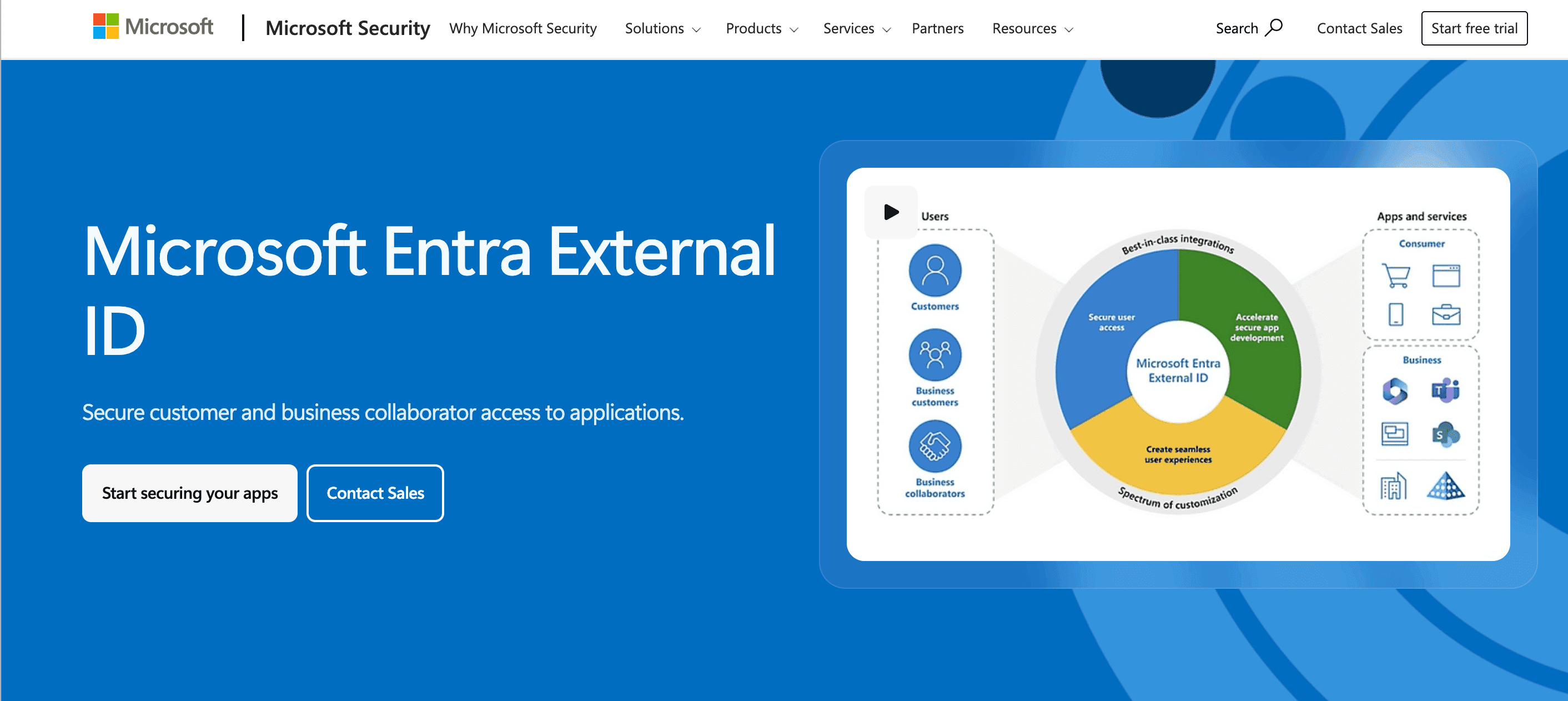
Organizations that want a custom user experience can use Entra External ID’s branding controls, customizable user flows, and integration with Microsoft identity services. However, teams looking for very specific authentication journeys or product-led experiences may find that customization is more structured and follows a set framework, whereas platforms are more focused on flexible workflows.
Key capabilities
Custom user flows and branded authentication screens
Social login, MFA, and enterprise federation support
Microsoft identity and Azure ecosystem integration
APIs and SDKs for application authentication
Strengths
Strong Microsoft ecosystem alignment: Integrates closely with Microsoft Entra ID, Azure services, and Microsoft security tooling.
Enterprise-ready identity capabilities: Supports customer, partner, and external user authentication with enterprise federation and security controls.
Built for regulated organizations: Microsoft's compliance, governance, and security investments make it attractive for large enterprises.
Ideal for
Microsoft Entra External ID is ideal for organizations already standardized on Microsoft identity and Azure services that want customer-facing authentication with strong enterprise governance and security controls. It works best for teams that value Microsoft ecosystem integration and enterprise consistency over highly customized authentication orchestration.
Amazon Cognito
Overview
Amazon Cognito is AWS's managed authentication and authorization service for web, mobile, and API-driven applications. It supports user authentication, MFA, passkeys, social login, enterprise federation, user pools, identity pools, APIs, SDKs, and deep integration with AWS infrastructure. It is commonly used by organizations building cloud-native applications on AWS.
If your organization wants a custom user experience, Cognito provides both hosted authentication and API options so your team can build its own interface. This flexibility helps with custom authentication flows, but advanced user experiences may need extra frontend work and AWS-specific adjustments.
Key capabilities
Managed login with branding customization controls
Passkeys, MFA, social login, and federation
User pools and identity pools for applications
AWS integrations, APIs, SDKs, and Lambda triggers
Strengths
Deep AWS integration: Works seamlessly with AWS services such as Lambda, API Gateway, IAM, AppSync, and other cloud-native infrastructure.
Flexible implementation approaches: Supports both managed authentication experiences and custom application-driven user interfaces.
Managed scalability and operations: AWS handles core authentication infrastructure, helping teams scale without managing identity systems directly.
Ideal for
Amazon Cognito is ideal for organizations building applications within the AWS ecosystem that want managed authentication tightly integrated with their cloud infrastructure. It works well for teams that are comfortable using AWS services to customize authentication experiences as UX requirements evolve.
Supabase
Overview
Supabase Auth is part of the broader Supabase developer platform and provides authentication capabilities for modern web and mobile applications. It supports email and password login, magic links, OTP, social login, SDKs, APIs, and integration with Supabase's Postgres-based backend services. Its developer-friendly approach makes it popular among startups and product teams building custom applications.
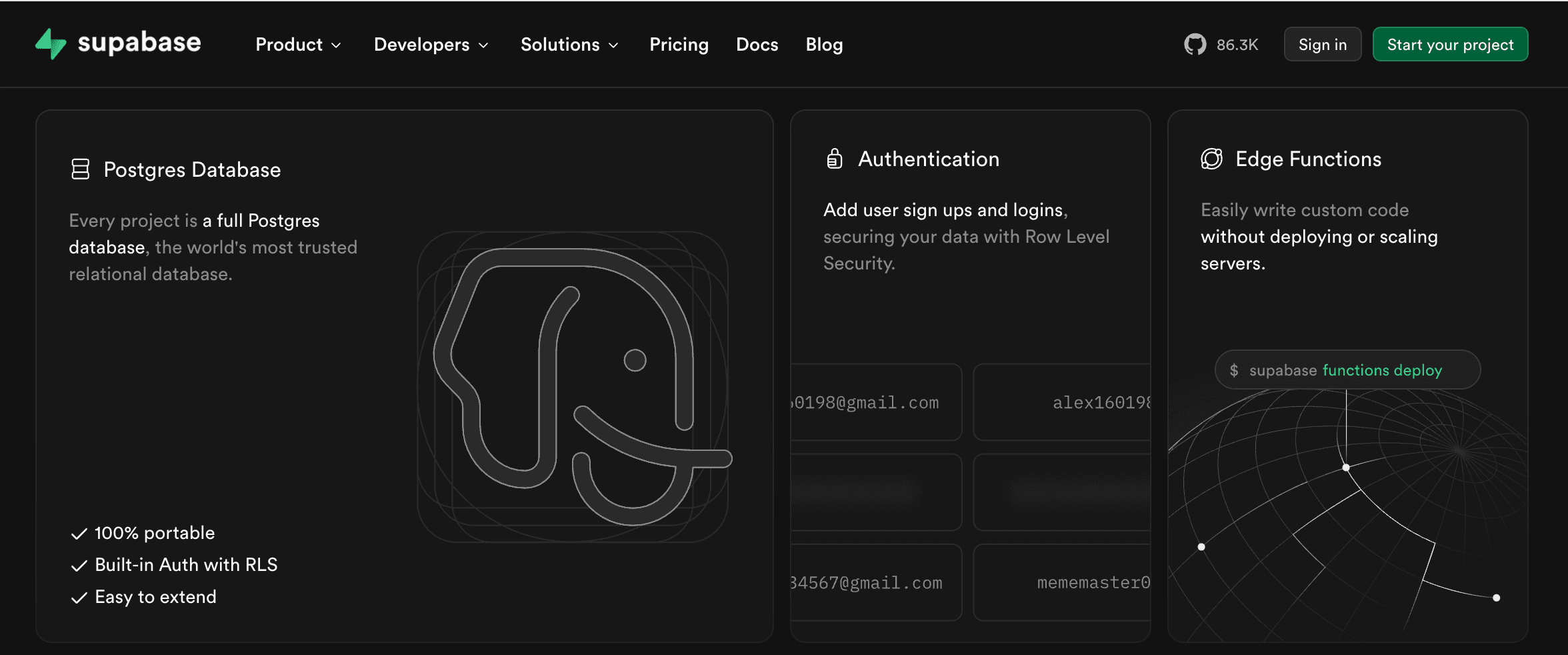
For organizations focused on custom UX, Supabase provides an API-first authentication layer that allows teams to build their own login and onboarding experiences. Rather than centering around hosted authentication pages, it gives developers flexibility to design authentication experiences that match their products.
Key capabilities
Email, password, social login, and OTP support
Magic links and passwordless authentication options
APIs and SDKs for custom authentication experiences
Native integration with Supabase and Postgres
Strengths
Developer-friendly platform: Simple APIs, SDKs, and documentation help teams implement authentication quickly.
Strong frontend flexibility: API-first architecture allows teams to build authentication experiences that align closely with their design systems.
Integrated application platform: Authentication works seamlessly with Supabase databases, storage, and backend services.
Ideal for
Supabase is ideal for startups, SaaS teams, and developers who want to build custom authentication experiences without being constrained by hosted login pages. It works especially well for organizations already using Supabase as their application backend.
Firebase Authentication
Overview
Firebase Authentication is Google’s service for handling authentication in web and mobile apps. It lets users sign in with email and password, social accounts, phone numbers, multi-factor authentication, or even anonymously. It also offers SDKs and works well with other Firebase and Google Cloud tools. If you need more advanced features, Google Cloud Identity Platform builds on Firebase Authentication to add enterprise-level identity options.
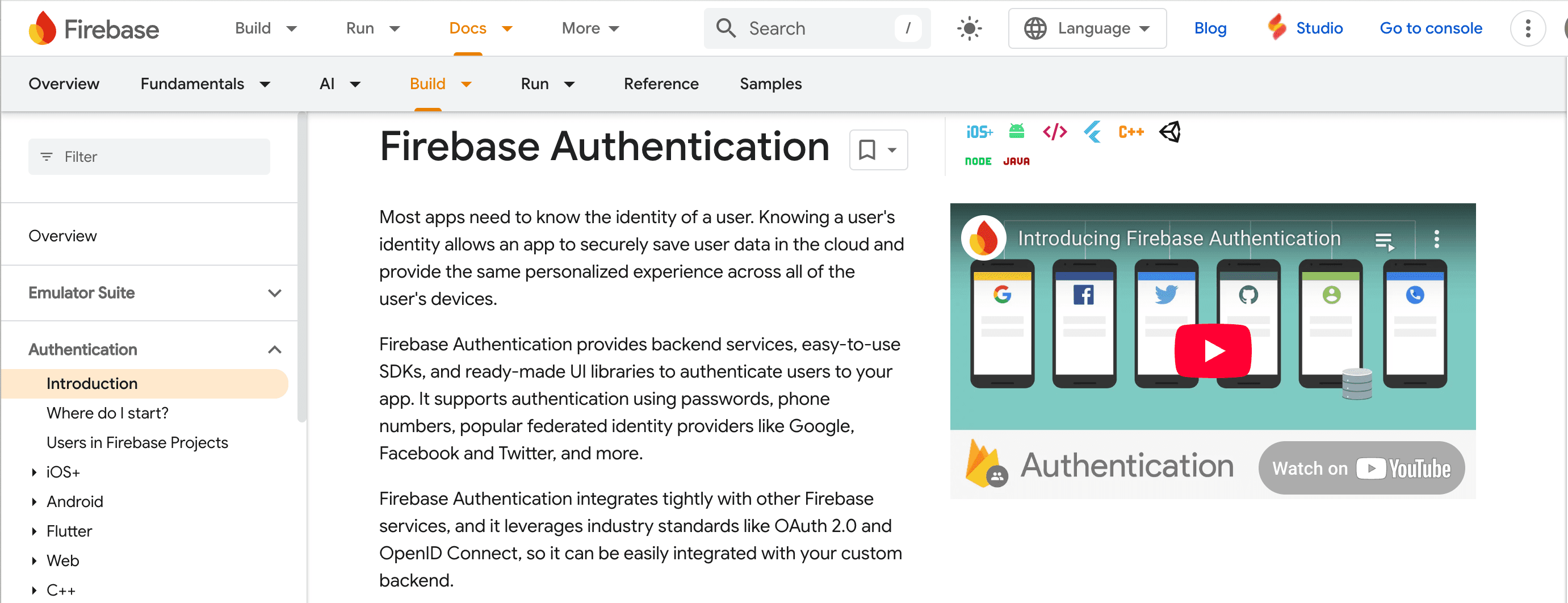
If your team wants to design a custom user experience, Firebase lets you use its SDKs to build your own login and onboarding flows. This flexibility is one reason why many mobile-first apps and consumer products choose Firebase—they can make authentication feel like a natural part of their app.
Key capabilities
Social login, phone auth, and email authentication
MFA and passwordless authentication capabilities
SDKs for web, mobile, and frontend applications
Firebase and Google Cloud ecosystem integration
Strengths
Strong mobile application support: Firebase is widely used for mobile-first authentication experiences across iOS and Android.
Flexible SDK-driven implementation: Teams can create authentication experiences that fit their application instead of relying on fixed hosted pages.
Fast developer onboarding: Simple implementation and strong documentation help teams launch authentication quickly.
Ideal for
Firebase Authentication is ideal for mobile and web application teams that want fast implementation and custom frontend experiences. It works particularly well for organizations already invested in Firebase or Google Cloud services.
Keycloak
Overview
Keycloak is an open-source platform for identity and access management. It supports features like authentication, authorization, enterprise federation, multi-factor authentication, social login, SAML, OIDC, LDAP integration, and customizable authentication. Because it is self-hosted, organizations have full control over their identity systems.
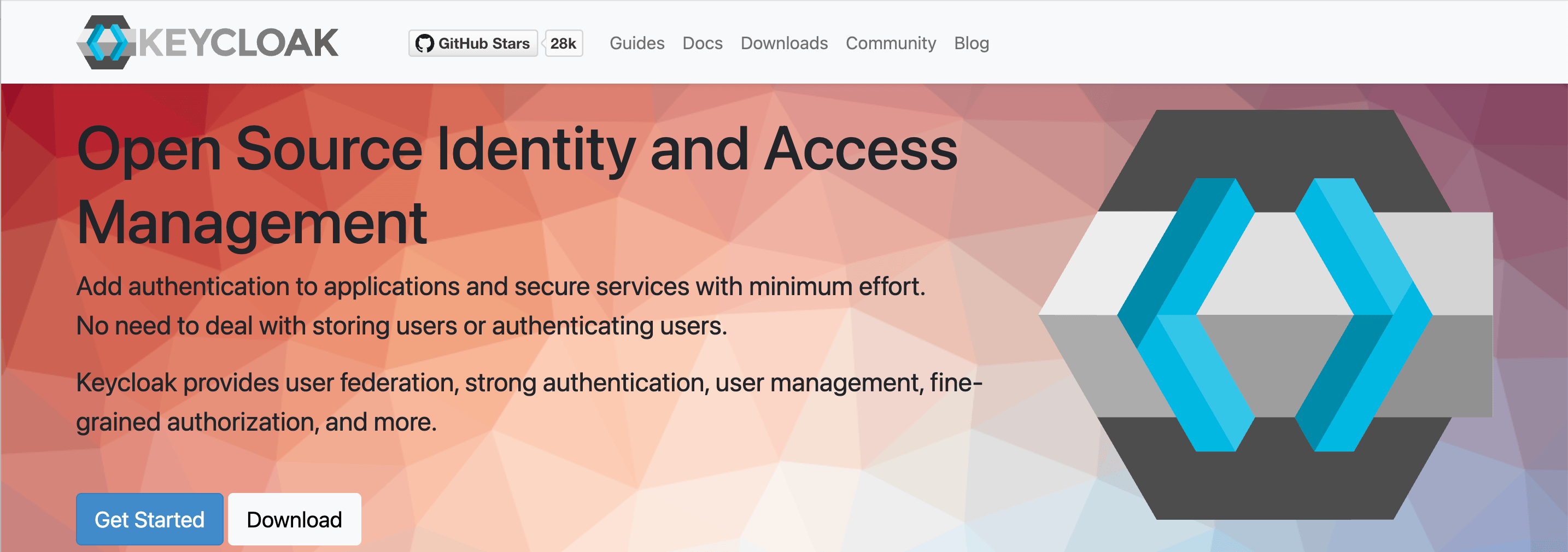
With Keycloak, organizations can create custom themes, offer localized experiences, set up unique authentication flows, and customize the frontend. However, teams are responsible for hosting, maintenance, upgrades, and making any changes themselves.
Key capabilities
Custom themes and branded authentication experiences
SAML, OIDC, LDAP, and federation support
MFA, social login, and user management
Open-source self-hosted identity infrastructure
Strengths
Full customization control: Organizations can customize authentication experiences, infrastructure, and identity policies without vendor limitations.
Strong standards support: Broad support for modern authentication and federation standards across enterprise environments.
Open-source flexibility: Self-hosting allows teams to maintain control over deployment, integrations, and long-term platform direction.
Ideal for
Keycloak is ideal for organizations with strong platform engineering or DevOps resources that want complete control over authentication experiences and identity infrastructure. It works best when customization and self-hosting are higher priorities than managed operations or rapid deployment.
Ory
Overview
Ory is an API-first identity platform designed for developers building modern applications and distributed systems. It provides authentication, authorization, OAuth2, OIDC, identity management, and account management services through a composable architecture. Ory is available as both open-source software and a managed cloud service.
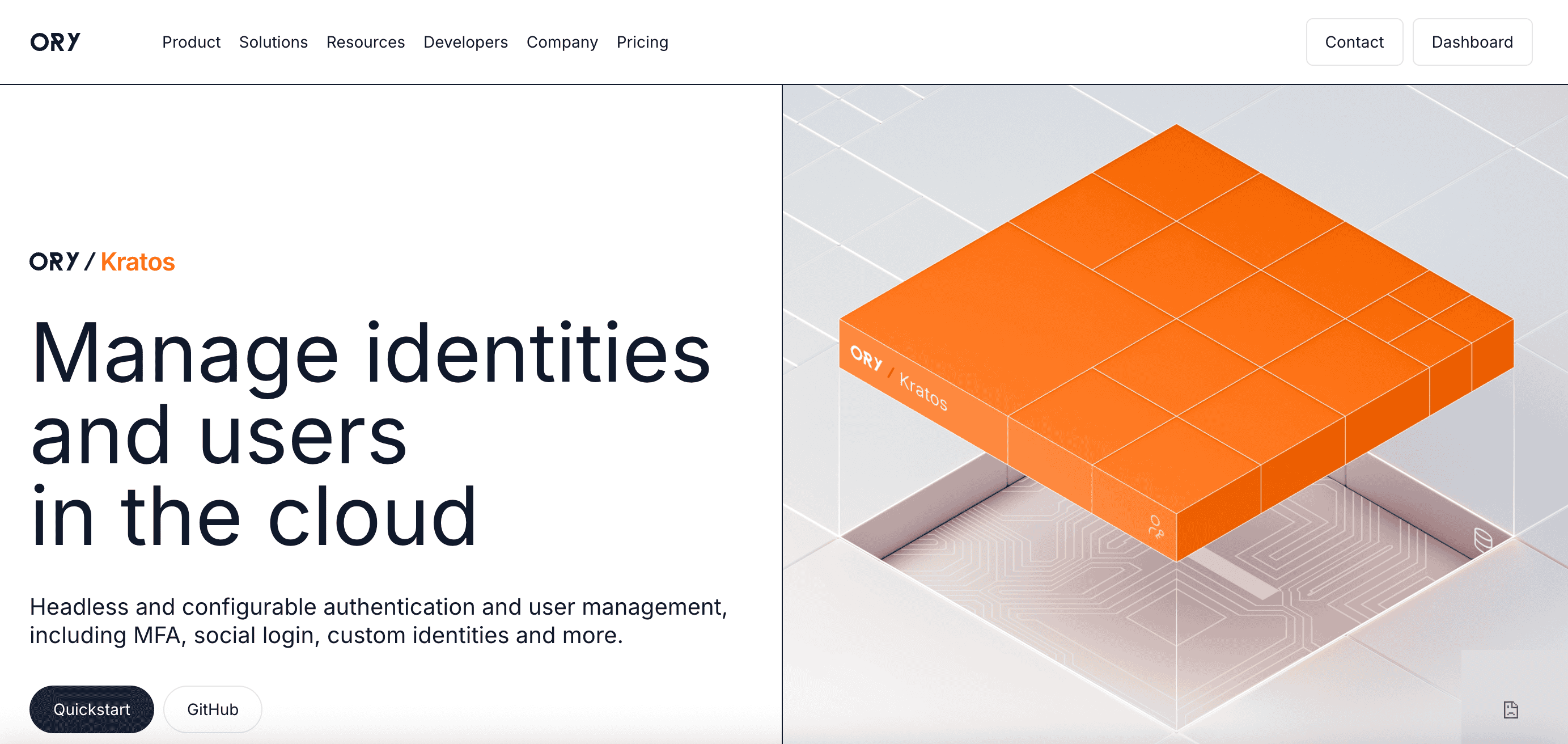
For organizations focused on custom UX, Ory's headless approach gives teams significant control over authentication experiences. Developers can build their own login, signup, onboarding, and account management interfaces while relying on Ory's APIs for identity infrastructure.
Key capabilities
Headless authentication with custom UI support
OAuth2, OIDC, and identity management APIs
Authentication, recovery, and verification workflows
Open-source and managed cloud deployment options
Strengths
Maximum frontend flexibility: Headless architecture allows teams to fully control authentication experiences and user journeys.
Composable identity infrastructure: Modular services support a wide range of application architectures and identity requirements.
Developer-focused approach: API-first design works well for engineering teams building custom products and platforms.
Ideal for
Ory is ideal for engineering-driven organizations that want complete control over authentication UX and identity architecture. It works best for teams with the resources to design, build, and maintain custom authentication experiences while leveraging managed identity infrastructure behind the scenes.
Conclusion
Authentication is no longer just about securely logging users in. Modern applications need authentication experiences that feel like a natural extension of the product, supporting branded user journeys, embedded login experiences, passwordless authentication, localization, enterprise requirements, and evolving customer expectations without creating unnecessary design or engineering constraints.
The best platform depends on your product strategy and implementation preferences. Auth0 offers a mature identity platform with customizable hosted login experiences. Entra External ID is a strong fit for Microsoft-centric organizations. Cognito and Firebase work well within AWS and Google Cloud ecosystems. Supabase appeals to developer-led teams building custom frontends, while Ory and Keycloak provide open-source flexibility and deeper control over authentication experiences.
Descope stands out for organizations that want both flexibility and speed. By combining visual workflows, embedded components, hosted and native authentication experiences, passkeys, passwordless authentication, adaptive MFA, enterprise SSO, SCIM, APIs, and SDKs in a single platform, Descope helps teams create authentication journeys that align with their product design while reducing long-term engineering complexity as requirements evolve.
To learn more, explore Descope’s docs, book a demo, or sign up for a Free Forever account to start building authentication experiences designed around your users, not your identity provider.